
Designing Energy Facilities in New Realities.
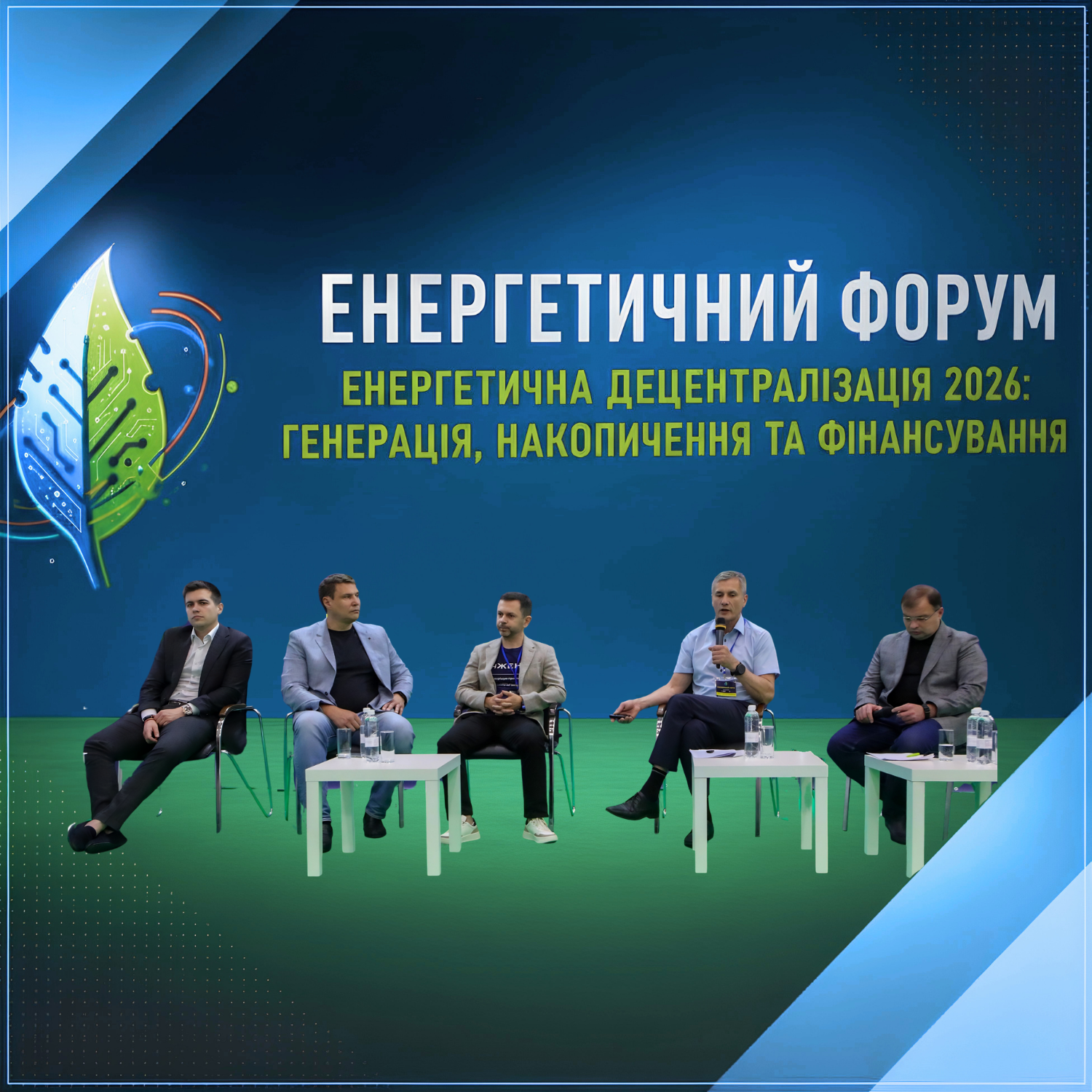
Distributed generation is growing faster than grid infrastructure
There is a critical shortage of specialists with experience in grid connection design.
Complex energy projects are often connected to 35–110 kV networks. This requires highly qualified engineers with experience in working with grid connection technical conditions, a strong understanding of DSO/TSO requirements, the ability to perform complex calculations, and to prepare project documentation that must be approved by grid operators.
At this stage, it is especially important that equipment supply is combined with high-quality engineering. To successfully launch a project, businesses need not only modern equipment, but also a team capable of properly integrating it into the energy infrastructure.
Vitalii Nykolaienko noted:
“The market offers high-quality equipment and strong suppliers. At the same time, for the successful implementation of such projects, it is crucial to have a team that knows how to properly connect this equipment to the grid.”
For businesses, this has clear practical implications. Even with the budget, equipment, and a strong intention to implement a project quickly, without a qualified engineering team the process can be significantly delayed.
Why grid connection cannot be left “for later”
One of the most common risks is that businesses first select equipment, sign contracts, and start investing in a project — and only then begin to thoroughly address grid connection.
For distributed generation, energy storage, hybrid systems, and cogeneration projects, grid connection can significantly impact the actual project economics.
At an early stage, businesses need to understand whether grid connection is technically feasible, what the connection conditions will be, what costs may arise for external grid infrastructure, whether substation upgrades are required, how long the project approval process may take, who will design the connection infrastructure, and when the facility can realistically become operational.
Vitalii Nykolaienko emphasized:
“Investments do not start generating returns when equipment is purchased. They start working when the facility is connected to the grid, meets the technical requirements, and is actually commissioned.”
Equipment supply and engineering must work as a single system
Today, the market offers a wide range of companies supplying equipment for power generation and energy storage. This plays a key role in the development of distributed energy, as modern equipment enables businesses to build more efficient and flexible energy systems.
At the same time, an energy project does not end with equipment supply. For the system to operate, it is necessary to design the energy storage solution, develop hybrid or cogeneration system concepts, take grid requirements into account, obtain approvals from DSO/TSO, carry out substation upgrades, configure protection systems, and bring the facility to stable operation.
Vitalii Nykolaienko noted:
“Equipment is the foundation of the future system. Engineering is what ensures that this system is properly designed, connected to the grid, and truly operational.”
This is why the market is gradually shifting from fragmented project stages toward demand for a fully integrated approach.
For mid-sized and large businesses, the key partner is a team that can combine technical concept development, equipment selection, project design, construction, commissioning, and service into one coherent and manageable system.
Engineering expertise enhances the value of equipment
In today’s environment, the most successful projects are those where high-quality equipment is combined with strong engineering, practical grid experience, and full responsibility for project delivery.
This requires specialists who can work with 35–110 kV networks, complex technical conditions, project documentation, substations, protection systems, approval processes, and commissioning.
Such expertise has become critical for businesses that aim not just to invest in an energy solution, but to obtain a fully operational system.
Voltage Group works with complex energy infrastructure and delivers turnkey energy projects — from technical concept development and design to construction, commissioning, and ongoing service support.
Vitalii Nykolaienko concluded:
“Reliable distributed generation starts with the right combination of equipment, design, and a team capable of delivering the project through to commissioning and the beginning of return on investment.”
